 Image 1 of 3
 Image 2 of 3
 Image 3 of 3
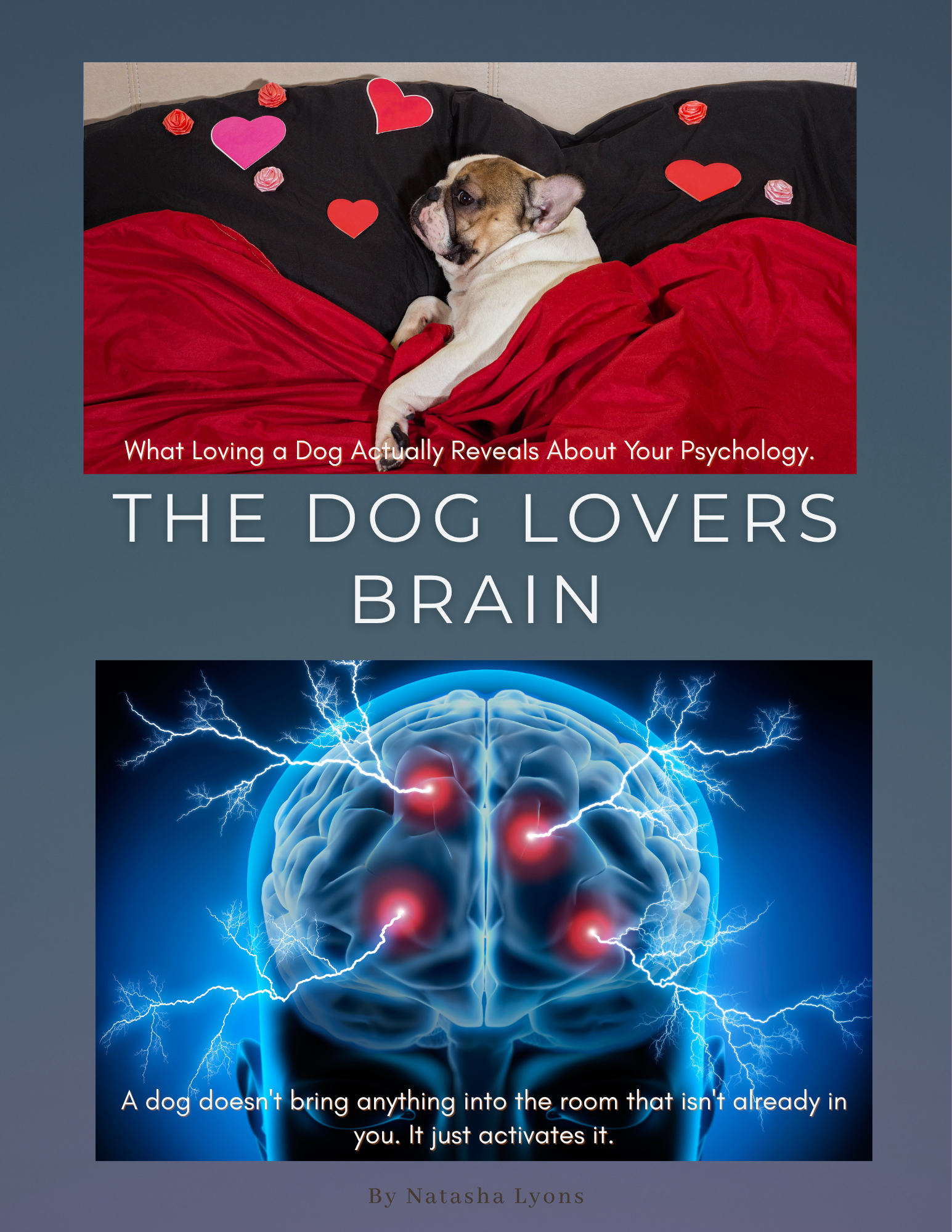
Have you ever wondered why the bond with your dog can feel so deep — sometimes easier and safer than relationships with people?
This guide explores what neuroscience and psychology can tell us about the human-dog bond — from empathy and attachment to oxytocin, loneliness, and the surprising ways our dogs can mirror our own emotional needs.
Inside, you’ll learn how to:
• Understand why dogs became so good at reading humans
• Explore the connection between dogs, empathy, and attachment
• Discover the fascinating oxytocin loop between you and your dog
• Understand why dogs can create such a powerful sense of safe closeness
• Recognize what the way you talk about your dog may reveal about you
• Explore what loving a dog can reveal about your capacity for connection and care
Your dog may be more than your companion.
Sometimes the way you love your dog tells you something about yourself.
Have you ever wondered why the bond with your dog can feel so deep — sometimes easier and safer than relationships with people?
This guide explores what neuroscience and psychology can tell us about the human-dog bond — from empathy and attachment to oxytocin, loneliness, and the surprising ways our dogs can mirror our own emotional needs.
Inside, you’ll learn how to:
• Understand why dogs became so good at reading humans
• Explore the connection between dogs, empathy, and attachment
• Discover the fascinating oxytocin loop between you and your dog
• Understand why dogs can create such a powerful sense of safe closeness
• Recognize what the way you talk about your dog may reveal about you
• Explore what loving a dog can reveal about your capacity for connection and care
Your dog may be more than your companion.
Sometimes the way you love your dog tells you something about yourself.